
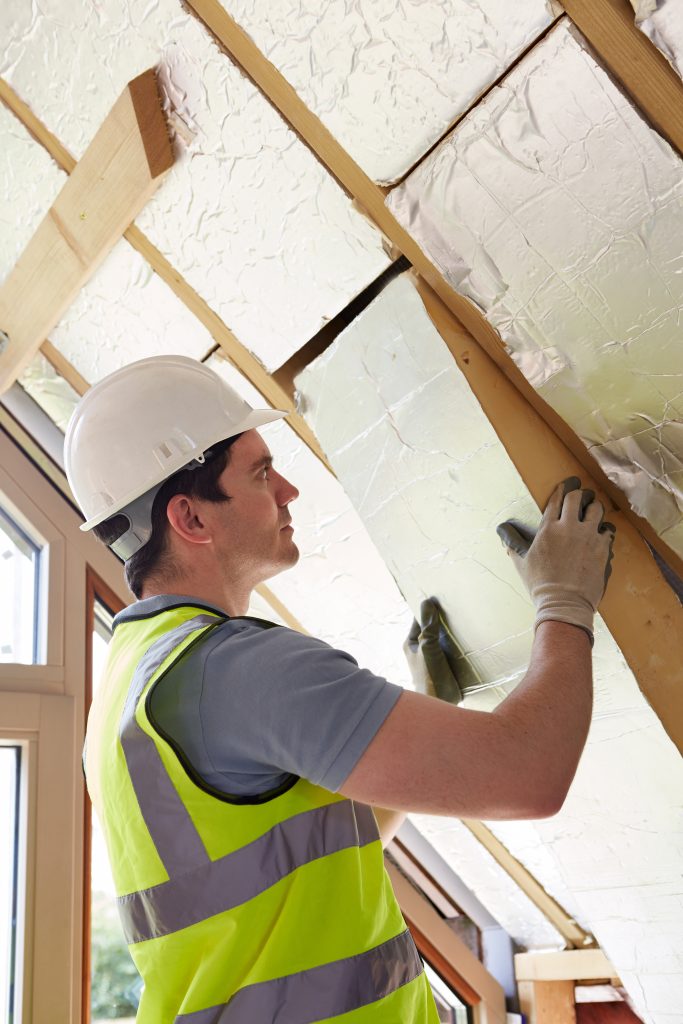
Room in the roof Insulation: stop the heat and bills from going through the roof
Room in the roof insulation is a highly effective way to make your top-floor spaces warmer, reduce energy bills, and improve the overall efficiency of your home. By insulating the space between your roof and the top floor, you can prevent heat from escaping upwards, keeping your home cosy during the colder months. Both the ECO4 scheme and the Great British Insulation Scheme provide support for room in the roof insulation, making it accessible to many households at little or no cost.
Why should you have room in the roof insulation?
Heat naturally rises, which means the upper floors of your home can lose a significant amount of warmth if not properly insulated. Room in the roof insulation acts as a thermal barrier, keeping heat inside your living spaces and reducing draughts. This not only makes your top-floor rooms more comfortable but also lowers your overall energy consumption, helping you save on heating bills while reducing your carbon footprint.
The pros of having room in the roof insulation
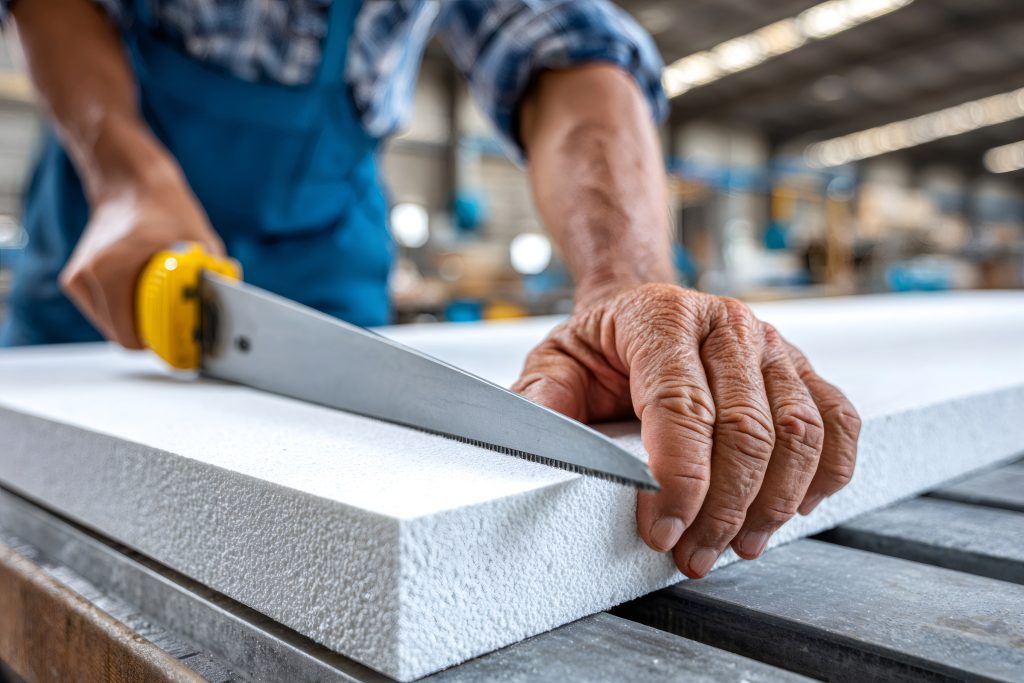
Insulating your room in the roof brings multiple benefits. It keeps your top-floor spaces warmer and more comfortable, even during the coldest months. Improved insulation reduces the workload on your heating system, which can lead to lower energy bills and potentially extend the lifespan of your boiler or heating system. By cutting energy usage, you are also lowering your household’s carbon emissions, contributing to a greener home. Additionally, a well-insulated roof space can enhance the overall energy efficiency rating of your property, adding appeal to potential buyers.
The cons of not having room in the roof insulation
Without room in the roof insulation, heat can escape easily through the roof, leaving your top-floor rooms colder and less comfortable. This heat loss increases energy bills and puts extra strain on your heating system. Uninsulated roof spaces also contribute to higher carbon emissions and a less energy-efficient home. Many homeowners miss out on government-backed schemes that could cover the cost of insulation, meaning they pay more than necessary for a solution that could significantly improve comfort and reduce costs.

What schemes cover room in the roof insulation?
Both the ECO4 scheme and the Great British Insulation Scheme include support for room in the roof insulation. ECO4 focuses on helping households most at risk of fuel poverty, offering free or heavily subsidised improvements to low-income households or those receiving qualifying benefits. The Great British Insulation Scheme targets a broader audience, helping more homeowners and tenants improve energy efficiency and reduce heat loss. If your property qualifies, room in the roof insulation can be installed with minimal or no upfront cost.
What’s included in the ECO4 and Great British Insulation Scheme
Room in the roof insulation is one of several energy efficiency improvements offered through these schemes.
Under ECO4, your home may also qualify for loft or cavity wall insulation and other measures such as boiler upgrades, depending on your circumstances.
The Great British Insulation Scheme primarily focuses on insulation measures, including room in the roof, loft, and cavity wall insulation, to reduce heat loss and improve comfort. Both schemes make it easier for households to improve energy efficiency without bearing the full cost of installation.
How do I know if I qualify?
Eligibility for ECO4 mainly depends on household income, benefit status, and your property’s energy performance rating, targeting those most at risk of fuel poverty. The Great British Insulation Scheme reaches a wider audience, including households in specific council tax bands, and requires your property to be suitable for room in the roof insulation. Checking eligibility is straightforward, and many households are surprised to discover they can access free or subsidised improvements even if they do not receive benefits.
Ready to find out? Get in touch today, have a chat and we can help answer any questions you may have.