
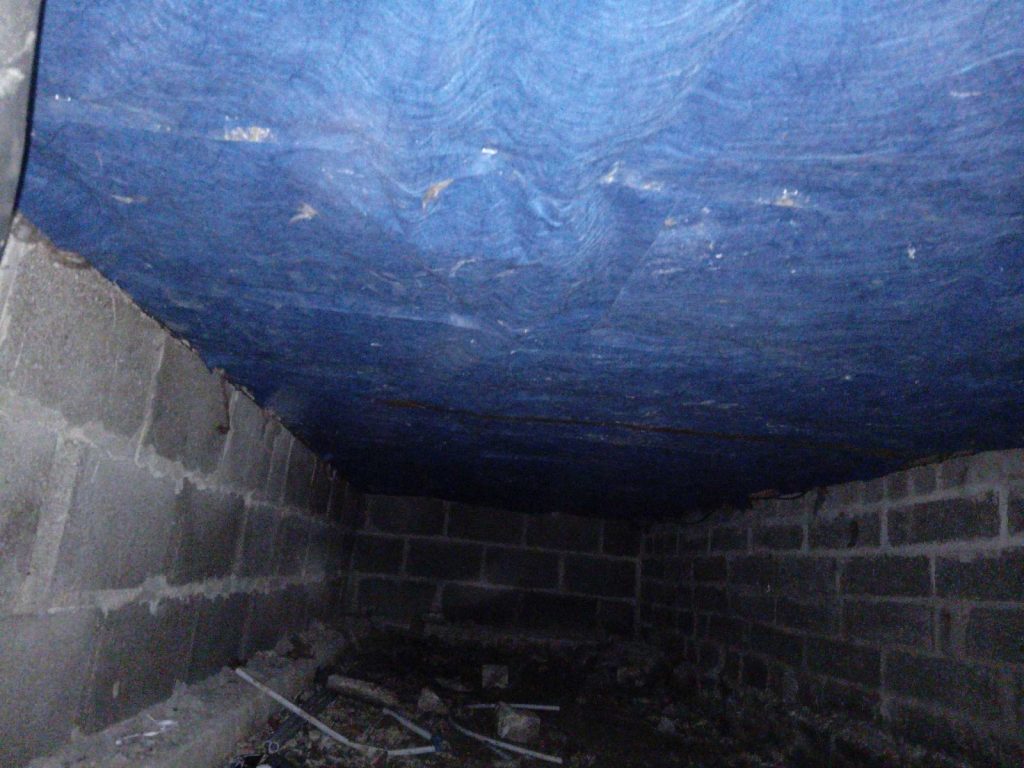
Underfloor Insulation: heat and save from the ground up
Underfloor insulation is a simple but highly effective way to keep your home warmer and reduce energy bills. By adding insulation beneath your floors, you can stop heat escaping into unused spaces such as basements or underfloor voids. This not only makes your living spaces more comfortable but also improves your home’s energy efficiency. Both the ECO4 scheme and the Great British Insulation Scheme provide support for underfloor insulation, helping many households benefit at little or no cost.
Why should you have underfloor insulation?
A large amount of heat can be lost through uninsulated floors, particularly in older properties or homes with suspended timber floors. Underfloor insulation acts as a barrier, preventing heat from escaping and keeping your home warmer for longer. It also helps maintain a more even temperature throughout your rooms, reducing cold spots and draughts. Installing underfloor insulation is a cost-effective way to make your home more energy efficient while cutting your heating bills.
The pros of having underfloor insulation
Having underfloor insulation makes a noticeable difference to comfort and running costs. Warm floors create a cosier environment, especially in bedrooms and living spaces, while your heating system doesn’t have to work as hard to maintain the desired temperature. This can result in lower energy bills and reduced wear on your heating system. In addition, insulation reduces your household’s carbon footprint and increases the overall efficiency of your home, which can add appeal if you ever decide to sell.
The cons of not having underfloor insulation
Without underfloor insulation, heat can escape through the floors, making your home colder and less comfortable. This heat loss increases energy consumption, which translates into higher bills and greater environmental impact. Uninsulated floors can also lead to uneven heating across your home and put extra strain on your boiler or heating system. By not taking advantage of government schemes, homeowners may also miss out on free or subsidised installation, leaving them to cover the full cost themselves.

What schemes cover underfloor insulation?
Both the ECO4 scheme and the Great British Insulation Scheme cover underfloor insulation. ECO4 targets households most at risk of fuel poverty, providing free or heavily subsidised improvements to low-income households or those receiving qualifying benefits. The Great British Insulation Scheme focuses on reducing heat loss for a wider range of households, helping more homeowners and tenants improve their energy efficiency. If your property qualifies, underfloor insulation could be installed with minimal or no upfront costs.
What’s included in the ECO4 and Great British Insulation Scheme
Both the ECO4 scheme and the Great British Insulation Scheme are designed to help households improve their energy efficiency, making homes warmer and cheaper to heat. Underfloor insulation is one of the key measures covered under both programmes, but the support does not stop there.
Depending on your circumstances, ECO4 can also include free or subsidised loft insulation, solid wall insulation, boiler upgrades, and other energy saving measures to help lower household bills and reduce carbon emissions.
The Great British Insulation Scheme has a slightly different focus, with a particular emphasis on insulation. This can include cavity and internal wall insulation, loft insulation, and in some cases room-in-roof insulation.
The aim is to make the biggest difference to households by tackling heat loss through walls and roofs, which are responsible for a large proportion of wasted energy. Both schemes ensure that homeowners and tenants can access improvements without the financial burden of paying full installation costs.
How do I know if I qualify?
Eligibility for underfloor insulation under ECO4 and the Great British Insulation Scheme depends on a few key factors. For ECO4, the scheme is mainly aimed at households on lower incomes, those receiving qualifying benefits, or people living in homes with a low energy performance rating. The goal is to support those most at risk of fuel poverty and to provide essential upgrades that make everyday living more affordable.
The Great British Insulation Scheme works slightly differently. It is open to a wider group of households, including those in certain council tax bands, with the aim of helping more people across the country cut energy costs. Your property will also need to be suitable for underfloor insulation, which will be assessed before any work goes ahead.
If you are not sure which scheme you may qualify for, the best step is to check your eligibility. Many households are surprised to find they qualify for free or heavily subsidised improvements, even if they do not receive benefits.
Ready to find out? Get in touch today, have a chat and we can help answer any questions you may have.