
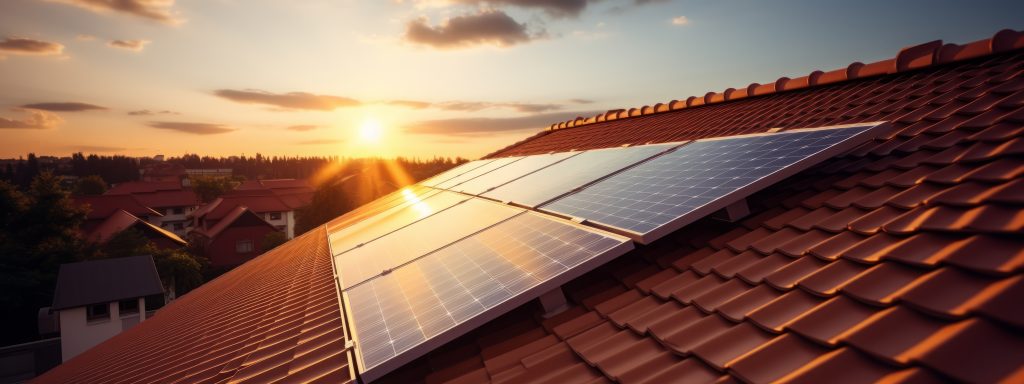
Solar Panels: Power your home with the sun and save
Solar panels are an excellent way to make your home more energy efficient, reduce electricity bills, and contribute to a greener future. By converting sunlight into electricity, solar panels allow you to generate your own power, reducing reliance on the grid. The ECO4 scheme can support households in improving energy efficiency, making solar panel installation more accessible and cost-effective for those who qualify.
Why should you have solar panels?
Installing solar panels allows you to take control of your energy use, producing clean electricity directly from sunlight. This not only lowers your energy bills but also reduces your carbon footprint. Solar panels are particularly effective when combined with other energy-saving measures such as insulation or efficient heating systems, helping your home become as energy-efficient as possible.
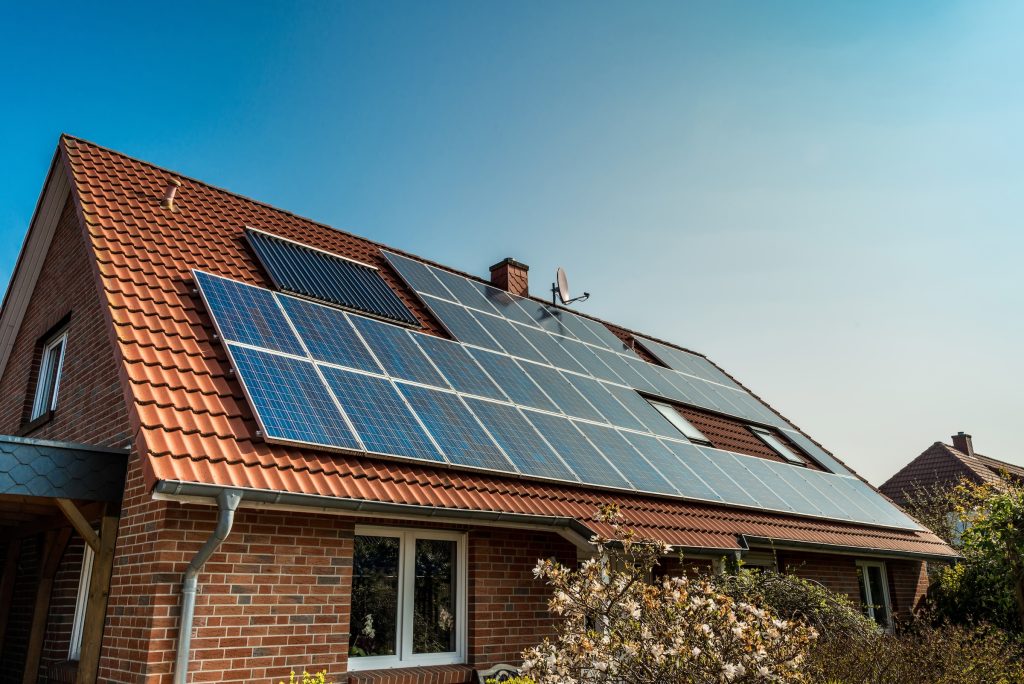
The pros of having solar panels
Solar panels provide multiple benefits. They can significantly lower your electricity bills by generating free power from the sun. Any surplus energy can often be exported back to the grid, sometimes earning you additional income. Solar energy is renewable and environmentally friendly, helping to reduce household carbon emissions. Installing solar panels can also increase the value of your property and future-proof your home against rising energy costs.
The cons of not having solar panels
Without solar panels, your home relies entirely on electricity from the grid, which can be expensive and subject to rising energy costs. You may miss out on potential savings from generating your own electricity or exporting surplus energy. Homes without solar panels also continue to contribute more to carbon emissions, and homeowners may miss out on government-backed incentives designed to support energy efficiency improvements.

What schemes cover solar panels?
While cavity wall, loft, and underfloor insulation are more commonly supported, certain energy efficiency schemes, such as ECO4 can provide guidance or combined support for households looking to improve overall energy efficiency, including integrating solar panels with other measures. ECO4 mainly helps households most at risk of fuel poverty with energy efficiency upgrades. If your home qualifies, solar panels may be part of a wider energy efficiency plan to reduce bills and improve efficiency.
What’s Included in the ECO4 Scheme?
The ECO4 scheme offers a wide range of fully funded or heavily subsidised energy-saving measures, all designed to improve your home’s efficiency and reduce your energy bills. Depending on your property and circumstances, you may be eligible for:
- Cavity wall insulation
- Loft insulation
- Room-in-roof insulation
- Underfloor insulation
- Internal or external wall insulation (for solid wall properties)
- First-time central heating systems
- Boiler upgrades or replacements
- Air source heat pumps
- Solar panels
- Smart heating controls
Every home is different, so the improvements you receive will depend on a survey of your property and what’s most suitable to bring it up to a better energy efficiency rating.
How do I know if I qualify?
To qualify for the ECO4 scheme, your household usually needs to meet certain criteria. The scheme is mainly aimed at homes with low energy efficiency and people on lower incomes or receiving specific benefits.
You might be eligible if:
- Your home has a low EPC rating (typically E or below for homeowners)
- You receive qualifying benefits such as Universal Credit, Pension Credit, Income Support, or Child Benefit (depending on your income and household size)
- You live in a privately owned rental with an EPC rating of E, F, or G
- You are referred through a local authority or GP under the LA Flex rules, even if you do not claim benefits
Ready to find out? Get in touch today, have a chat and we can help answer any questions you may have.